Key Takeaways
- Modern condo interior design is characterised by a well-planned layout, properly scaled furniture, and clean storage solutions.
- Your layout should support daily routines such as working from home or hosting, rather than following generic design ideas.
- Modern luxury comes from better materials, clean detailing, and thoughtful alignment, not from overcrowding the space with features.
- Concealed elements, controlled material palettes, and layered lighting help create a cohesive and polished look.
- Avoid common design pitfalls, such as too many feature walls, harsh lighting, and overuse of open shelving.
Introduction
Buying a condo often comes with a certain standard. The building looks polished, the common spaces feel well-designed, and everything appears cohesive. The challenge comes when you step inside your own unit. This is where modern luxury interior design comes in, helping your condo look just as premium on the inside as it does on the outside.
This guide breaks down the fundamentals of planning a modern condo interior design, followed by practical ways to elevate it into a refined, clutter-free living space.
Fundamentals of a Modern Condo
1. Layout Flow That Feels Natural to Move Through
The layout of condominiums in Singapore is usually pre-determined by the developer, and while some non-structural walls can be adjusted, major changes are often limited by structural and building regulations. As a result, the overall layout framework tends to stay the same and might not match how you live. Some units may feel tight at the entrance, others have awkward corners, and open-plan spaces can sometimes feel undefined.
A good modern condo interior design plan works with the layout, keeping things open and easy to navigate. This can be achieved by:
- Keeping the main walkways clear, especially from the entrance to the living area and bedrooms.
- Positioning furniture away from natural movement paths to avoid tight or awkward transitions.
- Using rugs or lighting to subtly define spaces instead of adding partitions.
2. Furniture That Fits the Space, Not the Other Way Around
With condominiums becoming increasingly smaller over the years, it is easy to overcrowd the space with oversized or bulky furniture. What looks good in a showroom may not work as well in a smaller unit, where every piece affects how open the space feels.
Contemporary condominium designs focus on proportion and visual lightness. Consider:
- Choosing slimmer, low-profile furniture that does not overwhelm the room.
- Leaving small gaps between furniture pieces to improve flow and openness.
- Opting for pieces with raised legs to create a lighter visual feel.
3. Storage That Keeps the Home Looking Clean
Storage is essential in any home, but visible clutter can quickly make the space feel messy and smaller than it actually is. Open shelves and exposed items may look good initially, but they often require constant upkeep.
Modern condominiums keep storage practical but visually discreet. Consider the following:
- Using full-height built-in cabinets to maximise vertical space.
- Choosing handle-less or minimal designs for a cleaner, seamless look.
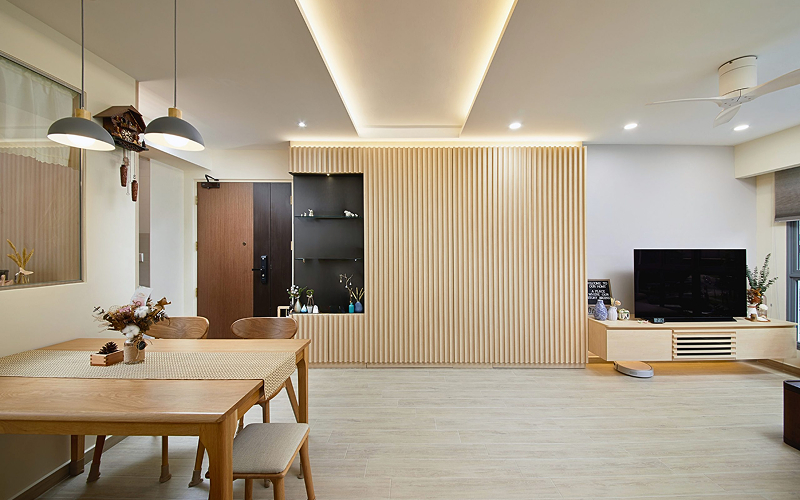
- Integrating storage into walls so it blends naturally with the space.
A Simple Way to Plan Your Condo Layout
Condominium interior design isn’t always one-size-fits-all. Instead of copying ideas from other homes, it helps to plan based on how you actually use your space.
- For compact layouts: Focus on keeping the space open and flexible so it does not feel cramped. Avoid adding unnecessary partitions, and use lighter colours or finishes to help the space feel more spacious and easy to move around in.
- For regular or larger layouts: With more room to work with, you can define different zones more clearly. At the same time, it is important not to overdesign the space. Keep feature elements controlled and maintain consistency so the overall home still feels cohesive.
- If you work from home: A dedicated workspace becomes important, but it should not disrupt the flow of the home. Built-in desks or tucked-away corners often work better than bulky standalone furniture, especially in smaller units.
- If you host guests often: The layout should support easy movement and interaction. Keep walkways clear, arrange seating so people can face each other comfortably, and consider flexible dining options that can adapt when needed.
This approach helps you create a home that fits how you live, not just how it looks.
How to Elevate Your Condo to Modern Luxury Without Clutter
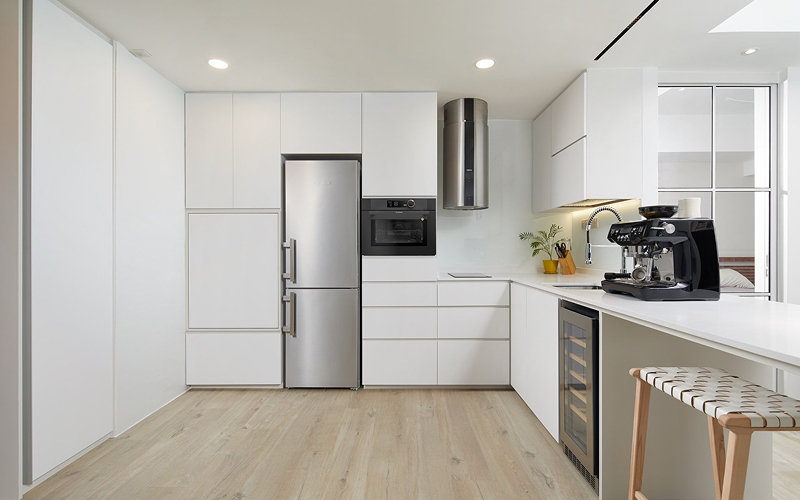
Once the fundamentals are in place, the next step is refinement. Rather than adding more elements, modern condo interior design is all about improving the quality and cohesion of what is already there. This approach helps you achieve a more premium look without making the home feel crowded.
1. Thoughtful Material Selection
Luxury often comes from choosing the right materials, not using more of them. A common mistake is mixing too many finishes in one space, which can make the home feel busy rather than refined. Instead, focus on a smaller, well-matched palette that works across the entire unit.
Examples include:
- Natural stone or sintered surfaces are durable, easy to maintain, and give a clean, premium look that works well in kitchen and bathroom interior design.
- Warm wood tones help soften the overall space, especially when paired with harder surfaces like stone or tiles.
- Subtle metallic accents like brushed gold, champagne, or matte black can be used sparingly in handles, taps, or lighting to add depth.
Keep these materials consistent across different areas to help the home feel more cohesive and intentional, rather than pieced together.
2. Alignment and Clean Detailing
What often separates a standard condo renovation from a more premium one is the level of detailing. In many newer condos, where layouts are already quite compact, small misalignments or messy transitions can become more noticeable and affect the overall look of the space.
Here are some details you should pay attention to:
- Keep cabinet edges and panel lines consistent. Aligned carpentry creates a cleaner, more organised look across the space.
- Ensure flush transitions between materials. Surfaces such as carpentry, walls, and flooring should meet neatly without uneven gaps or abrupt changes.
- Minimise visible seams and joints. Hidden joints and tighter gaps help create a more seamless and refined finish.
3. Concealed Design Elements
A modern luxury home often looks simple on the surface, but that simplicity is carefully planned. Instead of displaying everything, the design keeps most elements hidden so the space feels calm and uncluttered.
This can be achieved through:
- Concealed doors that blend into wall panels help maintain a continuous look, especially in living areas or along corridors where visual breaks can feel distracting.
- Hidden storage within built-in carpentry keeps everyday items out of sight, reducing visual clutter and making the space easier to maintain.
- Integrated appliances within cabinetry, such as ovens, fridges, or dishwashers, allow the kitchen to blend more seamlessly into the overall layout.
Make sure to prioritise this approach when renovating the living room, as it is often the main space of the home and sets the tone for everything else.
4. Layered Lighting for Depth
Lighting is one of the most overlooked elements in modern condo interior design, yet it has a huge impact on how the space feels. Relying solely on standard ceiling lights can make the home feel flat and overly bright, detracting from the overall atmosphere.
A layered approach typically includes:
- Ambient lighting for general brightness: Cove lights or ceiling lights provide overall illumination without being too harsh.
- Task lighting for specific areas: Under-cabinet lights in the kitchen or desk lighting for workspaces improve functionality.
- Accent lighting to highlight features: Wall lights or strip lighting can draw attention to textures, panels, or design details.
You can also enhance the effect of lighting through strategic mirror placement. For example, positioning mirrors opposite windows or near light sources helps reflect light around the space, making your condo feel brighter and more open.
Modern Luxury Interior Design Ideas for Different Condo Spaces
Luxury condo interiors are often defined by more than just premium finishes. The way each room is planned, connected, and styled plays an equally important role in shaping the overall living experience. In Singapore condominiums, where layouts vary from compact city units to expansive residences, modern luxury design focuses on balancing elegance with practicality, ensuring every area feels refined without becoming excessive.
Living Room
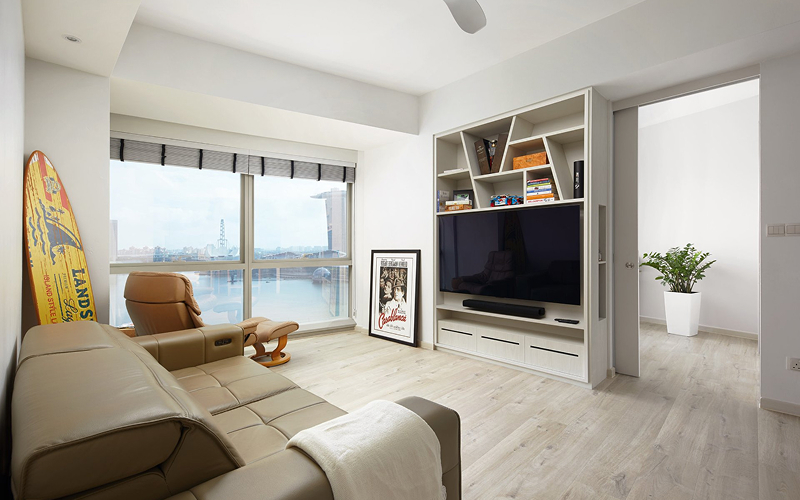
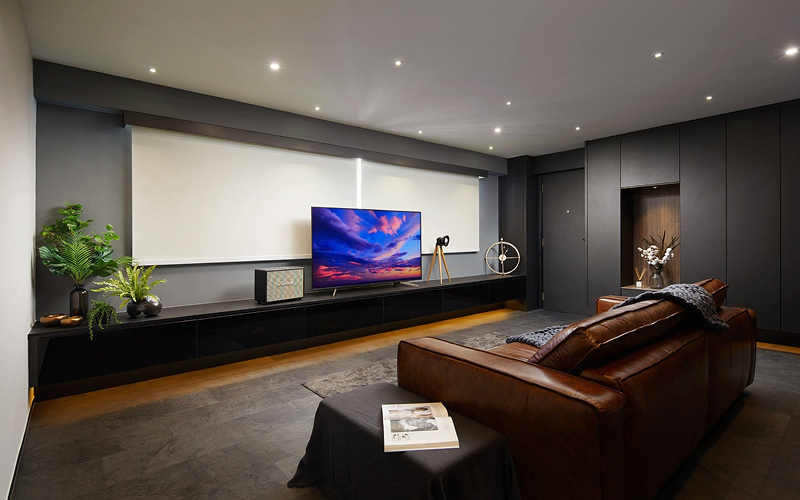
The living room often acts as the visual anchor of a luxury condo. Modern layouts typically focus on clean lines, layered textures, and carefully curated statement pieces that create a sophisticated yet comfortable environment. Neutral palettes paired with warmer materials such as wood, marble, or textured fabrics help soften the space while maintaining a polished appearance.
Lighting also plays a key role, with concealed lighting, floor lamps, and feature pendants used to create depth throughout the room. Modern luxury living rooms usually avoid overcrowding, instead allowing selected furnishings and finishes to stand out more intentionally. The refined spatial planning seen in the Leedon Heights condo modern luxury project reflects how open layouts and carefully balanced materials can elevate the overall atmosphere without overwhelming the space.
Bedroom
Luxury bedrooms are designed to feel calm, private, and restorative. Soft neutral tones, upholstered headboards, layered fabrics, and warm lighting contribute to a more hotel-inspired atmosphere while still feeling personal and liveable. Built-in wardrobes and concealed storage also help maintain a cleaner and more streamlined appearance.
Material selection becomes especially important in modern bedroom design, where subtle textures often replace excessive decoration. Timber accents, soft carpeting, and muted finishes create warmth without disrupting the visual simplicity. The styling approach seen in the OUE Twin Peaks project demonstrates how restrained detailing and balanced textures can create a bedroom that feels elegant yet understated.
Kitchen
Modern luxury kitchens prioritise both aesthetics and functionality. Handleless cabinetry, integrated appliances, and seamless countertop finishes help maintain a clean and uninterrupted visual flow. In many Singapore condos, kitchens are also designed to maximise efficiency within tighter layouts, making spatial planning especially important.
Material combinations such as stone surfaces, wood laminates, and metallic accents add visual richness without making the space feel cluttered. Lighting beneath cabinetry and within shelving can further enhance the atmosphere while improving usability. The modern kitchen concepts reflected in the Costa Rhu project show how streamlined layouts and premium finishes can work together to create a space that feels practical yet refined.
Dining Area
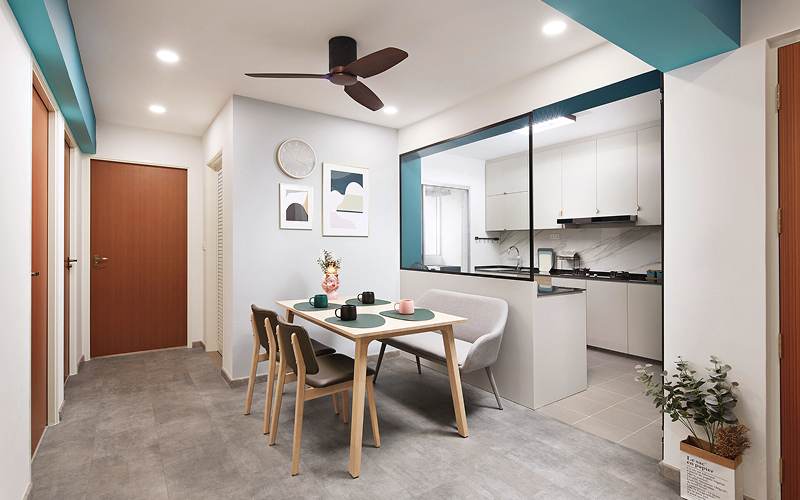
Dining spaces within luxury condos often connect directly to the living area, making cohesion between both spaces essential. Modern luxury dining areas typically rely on statement lighting, elegant dining sets, and restrained styling to establish visual identity without separating the space too heavily from the surrounding layout.
Instead of excessive décor, emphasis is placed on proportion, materials, and balanced lighting. Marble surfaces, textured wall panels, or sculptural light fixtures can help define the dining area while maintaining an open feel. The sophisticated open-concept styling seen in the Pebble Bay modern luxury project highlights how dining spaces can feel intimate while still remaining visually connected to the rest of the home.
Bathroom
Luxury bathrooms are increasingly designed as wellness-inspired spaces rather than purely functional rooms. Natural stone finishes, warm lighting, large-format tiles, and clean-lined vanities help create a calmer, spa-like atmosphere. Floating cabinetry and concealed storage also contribute to a cleaner visual presentation.
Modern luxury bathrooms tend to favour simplicity over ornamentation, allowing textures and materials to create visual interest naturally. The refined detailing and balanced palette featured in the Cashew Road project demonstrate how thoughtful lighting and restrained finishes can create a bathroom space that feels elegant and relaxing without becoming overly decorative.
Entryway
The entryway sets the tone for the rest of the condo and often creates the first impression of the home’s design direction. Luxury entryways typically incorporate subtle feature walls, warm lighting, concealed storage, and carefully selected materials to create a welcoming yet refined atmosphere.
Rather than overcrowding the area, modern luxury entryways focus on clean transitions and visual continuity into the rest of the home. Built-in cabinetry and minimalist detailing help maintain a tidy appearance while still providing everyday practicality. The entrance styling approach seen in the Aalto Condo and Poshgrove East projects reflects how understated detailing and cohesive materials can establish a polished first impression from the moment someone enters the space.
Condo Design Mistakes You Should Avoid
Even with the right intentions, certain design choices can make your condo feel less cohesive and take away from the overall look.
- Too many feature walls: Too many focal points can make the space feel disjointed and overly busy. Keeping feature elements to one or two key areas usually creates a stronger and more cohesive look.
- Harsh or overly bright lighting: Lighting that is too cool-toned or overly intense can make the space feel clinical and uncomfortable. Opt for warmer lighting to create a more relaxed and inviting environment.
- Open shelving: Open shelving can look clean and styled in photos, but it often requires constant upkeep to maintain that look. Limiting open shelving to small, curated areas helps keep the overall look more controlled and intentional.
Overusing materials: Mixing too many textures, colours, or finishes in one space can create visual noise. Stick to a smaller, well-coordinated palette for a more intentional and polished design.
Frequently Asked Questions
What defines modern luxury condo interior design?
Modern luxury condo interior design focuses on creating refined spaces through clean layouts, premium materials, and carefully balanced detailing. Instead of relying on excessive ornamentation, the style emphasises quality finishes, lighting, texture, and spatial flow to create a sophisticated living environment.
Is modern luxury interior design suitable for smaller condos?
Yes, modern luxury design can work well in smaller condos when the layout is planned efficiently. Features such as concealed storage, integrated lighting, and streamlined furniture help maximise space without making the home feel cluttered. This approach allows smaller units to feel more open and visually balanced.
What colours are commonly used in luxury condo interiors?
Neutral tones such as warm greys, beige, taupe, off-white, and muted earth tones are commonly used in luxury interiors. These colours create a calm and timeless backdrop while allowing textures and materials to stand out more naturally. Darker accents may also be introduced selectively to add depth and contrast.
How can I make my condo look luxurious without overcrowding the space?
A luxury look is often achieved through restraint rather than adding more décor. Focusing on high-quality materials, layered lighting, cohesive finishes, and well-proportioned furniture helps create a more polished appearance. Keeping the layout uncluttered also allows individual design elements to stand out more effectively.
What materials are commonly used in modern luxury condo design?
Materials such as marble, stone-look surfaces, wood, glass, brushed metal, and textured fabrics are frequently used in luxury interiors. These finishes add depth and sophistication while maintaining a clean and contemporary appearance. The combination of materials is usually kept balanced to avoid making the space feel visually heavy.
How long does a luxury condo renovation usually take?
The renovation timeline depends on the scale of work, custom carpentry requirements, and approval processes. More detailed projects involving extensive built-ins or premium finishes may require additional coordination and installation time. For larger-scale home renovation in Singapore, timelines can also vary depending on site conditions and material lead times.
Is modern luxury interior design difficult to maintain?
Not necessarily. Many modern luxury interiors are designed with practicality in mind, using durable finishes and concealed storage to reduce visible clutter. Regular upkeep remains important, but thoughtful material selection can make maintenance more manageable over time.
Can modern luxury design be combined with other interior styles?
Yes, modern luxury design is often combined with styles such as minimalist, contemporary, Japandi, or modern classic interiors. The key is to maintain consistency in materials, colours, and spatial planning so that the different influences feel cohesive rather than disconnected.
Conclusion
Designing a condo that feels both modern and refined comes down to making better decisions, from how your layout flows to how materials, lighting, and details are brought together. When these elements are planned with intention, your home feels more comfortable, more cohesive, and easier to live in over time.
At Home Guide Design, an interior design company in Singapore, we focus on getting the fundamentals right first, then refining the details so everything comes together consistently. Our team is here to help you manage every aspect of your renovation, from planning and design to coordination and final finishes. Get in touch with us today to find out more.