Key Takeaways
- Visual clutter, poor lighting, and inconsistent finishes can make a small condo unit feel more cramped than it actually is.
- Reducing visual friction through clearer sightlines, concealed storage, and consistent material use can help create a stronger sense of openness.
- Opt for well-proportioned, leggy furniture and thoughtful placement to improve flow and prevent the space from feeling crowded.
- Studios benefit from subtle zoning, 1-bedroom units from visual continuity, and compact 2-bedroom layouts from smart space planning and multi-functional design.
- Too many materials, excessive open shelving, and heavy design features can make your small condo interior design feel more confined instead of cohesive.
Introduction
As condominium units in Singapore become increasingly compact, smart interior design is playing a bigger role in shaping how comfortable and spacious your home feels. With less room to work with, the difficulty lies in making the space feel more open, balanced, and easy to live in.
Interior design strategies for small condos go beyond space-saving ideas. In this article, we explore why small homes can feel more cramped than they actually are, along with practical design principles, layout approaches, and common mistakes to avoid.
Why Small Condos Can Feel Even Smaller Than They Are
In a compact condo, the limited floor area is already a given. However, certain design and lifestyle choices can make the space feel even tighter than it actually is.
- Visual noise creates mental clutter: Too many elements competing for attention can make a space feel busy and overwhelming. Open shelving, excessive décor, mixed finishes, and even small details like visible cables or cluttered countertops all add to the effect.
- Furniture that is out of scale: Furniture that is too large can overwhelm the room and restrict movement, while too many small pieces can make the space feel cluttered and disjointed. Homeowners should choose furniture that fits the proportions of the space and keep walkways clear of decoration.
- Poor lighting: Relying on a single light source often leaves parts of the room in shadow, creating an uneven and enclosed feel. Dark corners and a lack of natural light can also reduce the sense of openness.
- Broken visual flow: Frequent changes in colours, materials, or flooring can interrupt how the eye moves through the space. This creates a stop-start effect that makes the home feel more segmented.
Your Space Multiplier Checklist
Instead of trying to fit more into your home, effective interior design for small condos focuses on removing friction. These are some smart design tricks to help your space feel visually larger, more open, and easier to move through.
1. Ensure Clear Sightlines
The moment you enter a room, your eye should be able to travel across it without obstruction.
Avoid placing tall cabinets, bulky sofas, or partitions near entry points or along main walkways. You should also keep key views, such as windows or balcony openings, unobstructed, as they naturally extend the perceived depth of the space. Lowering furniture heights and repositioning pieces can also help keep visual pathways open.
2. Choose Leggy Furniture Pieces
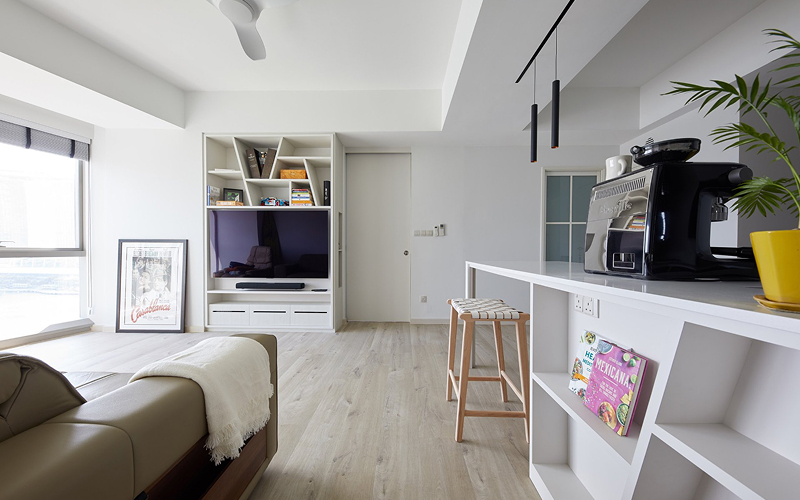
Furniture with visible legs allows light and sight to pass underneath, which helps reduce visual heaviness. This creates the impression that the room has more floor area than it actually does. For example, a sofa with slim legs or a raised TV console can feel significantly lighter than a full, solid base.
3. Use Consistent Flooring Throughout the Space
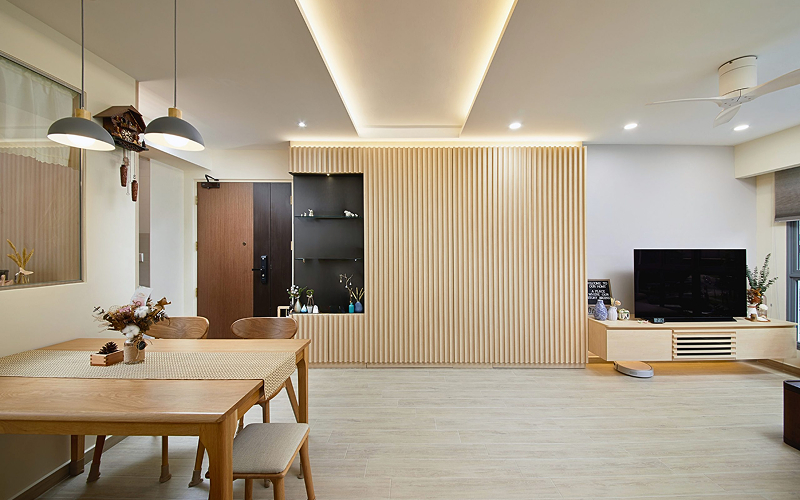
Using the same flooring across the living, dining, and bedrooms, whether in tiles, vinyl, or wood tones, helps unify the home and visually “stretches” it. This is especially effective in open concept homes where multiple functions share the same space.
4. Concealed Storage
Closed storage helps keep visual clutter to a minimum, allowing the space to feel calmer and more organised. Clever storage ideas like built-in carpentry that aligns with wall finishes can make storage feel almost invisible, especially when handles and detailing are kept subtle. Reducing the number of visible items can make the space appear cleaner and more spacious.
5. Controlled Colour Palette
Keeping to a tight, well-coordinated colour palette helps the space feel cohesive and easy on the eyes. Large contrasts or too many competing tones can visually divide the room. Instead, using variations of the same colour family, with occasional accents, creates a smoother transition between areas.
6. Layered Lighting
Relying on a single ceiling light often creates harsh shadows and uneven brightness. Layered lighting combines ambient lighting for general illumination, task lighting for specific functions, and accent lighting to highlight features. This ensures the entire space is evenly lit, reducing dark corners and making the room feel more open and inviting, especially at night.
Layout Ideas for Different Condo Types
Every layout comes with its own constraints and opportunities. What works well in a studio may not translate to a compact two-bedroom unit. The key is to adapt condo interior design around how each space is used, while keeping visual flow and functionality in mind.
1. Studio Units: Define Space Without Walls
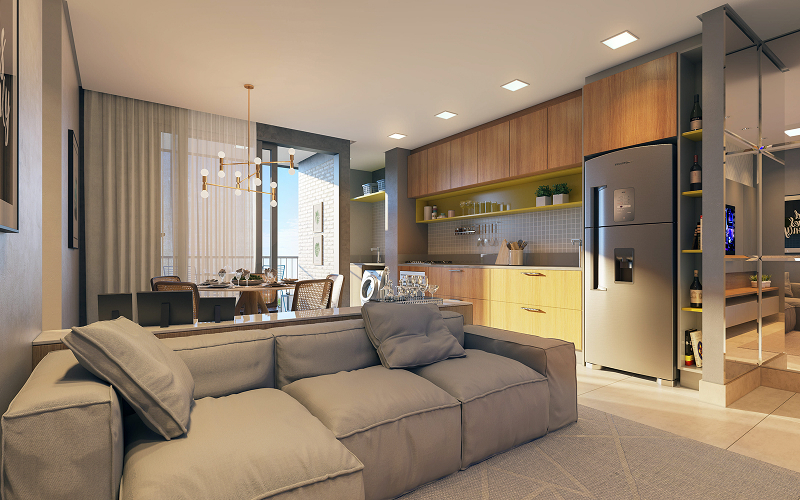
In studio units, everything sits within a single open area, so the challenge is creating clear zones without making the space feel divided or cramped.
- Use rugs, lighting, or slight changes in furniture orientation to subtly define areas such as sleeping, lounging, and dining.
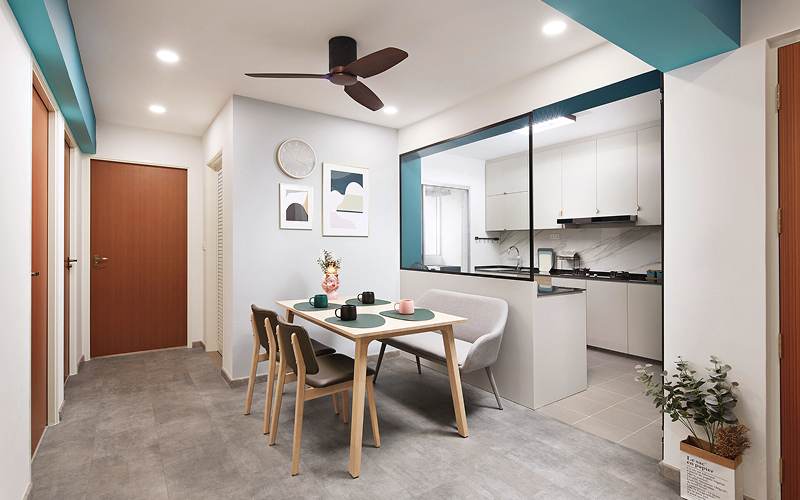
- Consider low partitions, glass dividers, or very minimal shelving to suggest separation without blocking light or sightlines.
- Keep larger furniture pieces along the perimeter to free up the centre, allowing the space to feel more open and flexible.
The goal is to introduce structure while maintaining a continuous visual flow, so the space still feels like one cohesive environment.
2. 1-Bedroom Units: Balancing Privacy and Openness
With a separate bedroom, small condo interior design focuses on making shared areas like the living and dining zones feel more spacious and connected.
- Use consistent materials, colours, and finishes across spaces to create a seamless transition.
- Incorporate multi-functional furniture, such as extendable tables or storage benches, to maximise usability without overcrowding.
- Consider partial partitions, glass panels, or wider openings instead of full walls to maintain both privacy and openness.
3. Compact 2-Bedroom Units: Prioritising Function
In smaller two-bedroom layouts, space needs to be carefully planned so both shared areas and bedrooms remain comfortable. The challenge is not just fitting everything in but also about making smaller bedrooms feel less cramped.
- Use full-height wardrobes or wall-to-wall storage to create a cleaner, more seamless look that makes the room feel taller.
- Incorporate mirrors strategically, such as wardrobe panels or wall-mounted pieces, to reflect light and visually expand the space.
- Integrate a compact study area, such as a built-in desk or fold-down table, so the room remains functional without overcrowding it.
Design Theme Ideas for Condo Renovation
A condo offers greater flexibility in layout planning, storage integration, and defining distinct living zones. With more space to work with, homeowners can explore a wider range of design themes while still prioritising comfort and practicality. The key is to select a style that complements both the household’s lifestyle and the home’s natural proportions.
Modern Contemporary
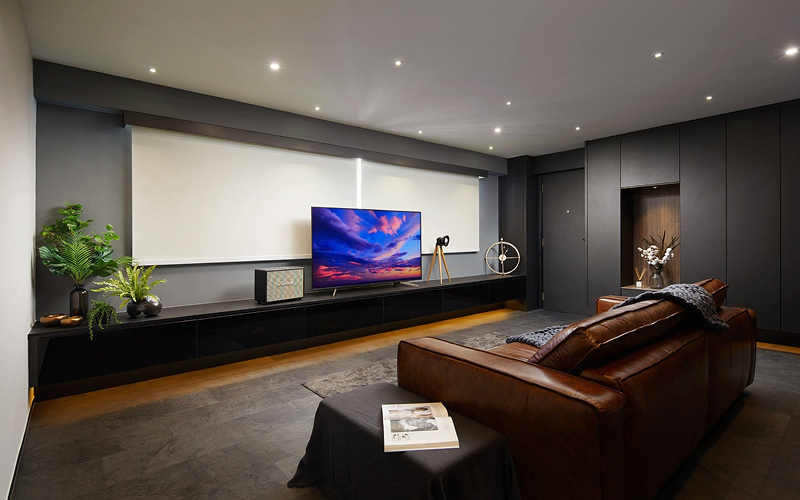
Modern contemporary interiors focus on clean lines, practical layouts, and a balanced mix of textures and finishes. Neutral palettes are often paired with darker accents, glass, or metal details to create a polished and structured look without feeling overly formal.
This style works especially well for homeowners who want a timeless appearance that remains adaptable. Thoughtful lighting and streamlined carpentry also help maintain a spacious and uncluttered environment. The approach seen in the Pebble Bay project demonstrates how modern elements can create a refined yet comfortable living space in a residential setting.
- Neutral colour palettes with layered textures
- Clean-lined carpentry and concealed storage
- Balanced use of wood, stone-look finishes, and lighting
Scandinavian
Scandinavian interiors prioritise simplicity, warmth, and functionality. Light wood tones, soft neutrals, and minimal visual clutter help create a bright and welcoming environment that suits family living.
For larger condo layouts, this style allows spaces to feel open without appearing empty. Furniture choices are often practical and understated, with emphasis placed on comfort and natural light. The design direction evident in The Sail project demonstrates how Scandinavian-inspired elements can be adapted to a modern Singaporean home.
- Light timber finishes and muted palettes
- Functional furniture with simple forms
- Soft lighting and clutter-free layouts
Rustic Contemporary
Rustic contemporary design combines modern layouts with warmer textures and more organic finishes. Materials such as wood grain laminates, textured fabrics, and earthy tones help soften the clean lines often found in newer condo units.
This style suits homeowners who want a home that feels relaxed and lived-in while still maintaining a cohesive overall design. The Costa Rhu Rustic project reflects how rustic textures and modern planning can work together to create warmth without overwhelming the space.
- Natural textures and earthy finishes
- Warm lighting paired with practical layouts
- Layered materials that add depth and character
Luxury Contemporary
Luxury contemporary interiors focus on proportion, material contrast, and refined detailing. Marble-look surfaces, feature lighting, and customised carpentry are often used to create a more elevated atmosphere while keeping the layout visually streamlined.
In a condo, this theme works well for homeowners who want to create more defined entertaining and living spaces. The Citylights Condo and The Treasure at Tampines projects showcase how luxurious finishes can be integrated without making the home feel excessive.
- Statement materials balanced with clean layouts
- Feature lighting and customised detailing
- Sophisticated palettes with subtle contrast
Minimalist Modern
Minimalist modern interiors reduce visual excess and focus on simplicity, openness, and functionality. Storage is carefully integrated to maintain clean sightlines, while furniture and décor are kept intentional rather than decorative.
This approach is particularly effective for homeowners looking to maximise openness and reduce maintenance needs. Elements similar to those seen in The Sail and Keppel Bay Condo projects highlight how minimalist planning can create calm and highly functional living spaces.
- Streamlined layouts with concealed storage
- Minimal décor and controlled colour palettes
- Open spaces supported by functional carpentry
Nature-Inspired Contemporary
Nature-inspired interiors bring together organic textures, soft colours, and natural materials to create a calmer and more grounded atmosphere. Indoor greenery, wood accents, and warm neutrals are commonly used to soften the structured look of newer homes.
This style works well in Singaporean homes where homeowners want a more relaxed environment without fully moving into rustic or wabi-sabi aesthetics. Projects such as Dairy Farm Condo and Cashew Road demonstrate how natural textures and balanced layouts can create a comfortable, timeless home environment.
- Warm neutral palettes with natural textures
- Wood finishes paired with soft lighting
- Open layouts that encourage visual calm
Common Mistakes to Avoid in Small Condo Design
During condo renovation, some design choices that seem appealing at first may end up making a compact space feel even tighter. Being aware of these common mistakes early on helps you avoid working against your own layout.
1. Tiny Tiles Everywhere
Small tiles introduce more grout lines, which break up surfaces and add visual noise. This can make floors and walls feel busy rather than continuous. Larger tiles, seamless vinyl, or uniform finishes create a cleaner look and help the space feel more expansive. This is especially noticeable in areas like living rooms and bathrooms, where continuity makes a big difference.
2. Too Many Colours and Materials
Using too many contrasting colours, textures, or finishes can make a space feel fragmented. For example, switching between different laminates, stones, and paint colours within a small area creates visual interruptions. A more controlled palette, with repeated materials across the home, helps everything feel more connected and less cluttered.
3. Open Shelving in Every Area
Open shelving may look appealing in styled interiors, but in daily use, it often leads to clutter. Items placed on display need to be consistently organised, or they quickly become visual distractions. When used excessively across kitchens, living areas, and bedrooms, they can overwhelm the space. Limiting open shelves and prioritising closed storage keeps the overall look cleaner and more spacious.
4. Overly Complex Feature Walls
Feature walls with heavy textures, bold patterns, or multiple design elements can dominate a small room. Instead of adding depth, they often draw too much attention and make the space feel visually heavy. Simpler finishes, subtle textures, or understated detailing tend to work better, allowing the room to feel more balanced.
Conclusion
Effective interior design for small condos requires a more detailed approach. Knowing how layout, lighting, materials, and storage solutions work together can help you create a space that feels more open, cohesive, and comfortable, even within a limited footprint.
Working with a professional home renovation company like Home Guide Design can make all the difference. With a clear design strategy and proper coordination from start to finish, we’ll help you avoid common pitfalls and ensure every detail is planned with intention. From layout planning and material selection to on-site execution, the team helps bring everything together so your home feels well-considered, practical, and easy to live in.
Book a consultation with us today.
Frequently Asked Questions
How can I make a small condo feel bigger without changing the layout?
A small condo can feel larger by improving sightlines, reducing visual clutter, and using lighter finishes throughout the home. Built-in storage, mirrors, and consistent flooring also help create a more seamless flow between spaces. In many cases, careful space planning has a greater impact than increasing the home’s physical size.
What colours work best for small condo interior design?
Light and neutral colours generally work best because they reflect more light and make the space feel more open. Shades such as warm white, soft beige, light grey, and muted wood tones help maintain visual continuity without overwhelming the room. Dark colours can still be used selectively as accents to create depth and contrast.
Is open-concept planning suitable for small condos?
Yes, open-concept layouts are commonly used in small condo interiors in Singapore because they enhance visual openness and flow between areas. Combining living, dining, and kitchen spaces can make the home feel less restrictive while allowing natural light to travel more freely throughout the unit.
What type of storage works best in smaller condo units?
Concealed and multi-functional storage tends to work best in compact layouts. Full-height cabinetry, platform storage, and built-in furniture help maximise usable space while reducing clutter. The goal is to integrate storage into the design naturally rather than relying on standalone pieces that occupy additional floor area.
How long does a small condo renovation usually take?
Most condo renovations take several weeks to a few months, depending on the scope of work, approval requirements, and material lead times. Simpler cosmetic upgrades may take less time, while extensive carpentry or layout changes can extend the timeline. Planning and coordination are especially important in condo projects due to management regulations and renovation guidelines.
Is minimalist design suitable for compact condo layouts?
Yes, minimalist design works well in smaller homes because it prioritises simplicity, functionality, and clean sightlines. Reducing unnecessary furniture and decorative elements helps the space feel more open and easier to maintain. This approach is often combined with practical storage planning to improve day-to-day usability.
Should I engage a professional designer for a small condo renovation?
Working with a professional can help maximise space efficiency and avoid common planning mistakes in compact homes. An experienced renovation contractor in Singapore can also assist with layout optimisation, material coordination, and renovation management, especially when dealing with condo-specific restrictions.
What flooring works best for small condo interiors?
Using consistent flooring throughout the main living areas helps create visual continuity and reduces interruptions between spaces. Vinyl, engineered wood, and large-format tiles are commonly chosen for their practicality and cleaner overall appearance. Lighter flooring tones also help reflect natural light and make rooms feel less enclosed.