Key Takeaways for Wabi Sabi Interior Design
- Wabi sabi focuses on embracing imperfection, using natural materials and aged elements to create a home that feels authentic and lived-in
- A muted, nature-inspired palette combined with simple forms helps create a calm and harmonious environment suited to everyday living
- The approach extends beyond aesthetics, encouraging mindful living through decluttering, intentional design choices, and appreciation of natural wear over time
Introduction
Wabi sabi interior design centres on the appreciation of imperfection, simplicity, and the natural passage of time. Instead of striving for polished finishes or flawless symmetry, this approach embraces irregular textures, organic materials, and spaces that feel lived-in rather than staged. In the context of home interior design, it offers a more grounded and reflective way of shaping interiors, where character is built through subtle details rather than bold statements.
In Singapore homes, where clean and contemporary styles are often prioritised, wabi sabi introduces a softer, more relaxed alternative. It encourages homeowners to work with natural light, muted tones, and honest materials to create spaces that feel calm and unforced. This shift in perspective allows the home to evolve naturally, focusing less on perfection and more on comfort, authenticity, and everyday living.
To better understand how this philosophy translates into real spaces, the following sections explore its key principles and how it can be applied across different areas of the home
What Is Wabi Sabi and Why It Feels So Grounded
Wabi sabi is a design philosophy that finds beauty in imperfection, where irregular forms, natural wear, and subtle flaws are not hidden but appreciated. Rather than aiming for flawless finishes, it embraces the character that comes with age, texture, and materials that evolve over time. This perspective shifts the focus from perfection to authenticity, allowing spaces to feel more personal and less staged.
At its core, wabi sabi values simplicity, but not in a way that feels cold or empty. It is about creating a calm environment that is lived-in and comfortable, where each element has meaning without overwhelming the space. The connection to nature plays a strong role, with materials, colours, and forms reflecting the organic world.
In homes where space and pace can feel structured, this approach introduces a softer, more reflective way of living, where design is less about perfection and more about presence.
Key Design Principles of Wabi Sabi Interior Design
Natural Materials That Age Gracefully
Wabi sabi interiors rely on materials that feel organic and honest. Wood, stone, clay, and linen are commonly used, not for perfection, but for how they change over time. These materials develop patina and character, allowing the space to evolve naturally rather than remain static.
Muted, Earthy Colour Palette
Colours are drawn from nature, with tones such as soft browns, warm greys, off-whites, and muted greens creating a calm and grounded environment. This palette avoids strong contrasts, helping the space feel cohesive and easy on the eyes.
Simplicity Without Emptiness
Simplicity in wabi sabi is about keeping only what is meaningful, rather than removing elements entirely. Spaces are pared back, but not bare, allowing room for both function and quiet comfort without unnecessary visual noise.
Texture That Adds Depth
Texture plays an important role in preventing the space from feeling flat. Rough surfaces, woven fabrics, and uneven finishes introduce subtle variation, creating visual interest without relying on bold decorative elements.
Connection to Nature
A strong link to nature runs through every aspect of wabi sabi design. This can be seen in the use of natural light, indoor plants, and materials that reflect the outdoors. The aim is to create a space that feels calm, grounded, and connected to its surroundings.
Appreciation of Imperfections
Imperfections are not corrected or concealed, but accepted as part of the design. Small cracks, irregular shapes, and signs of wear contribute to the overall character of the home. This mindset encourages a more relaxed approach to living, where the space feels authentic rather than overly refined.
Wabi Sabi vs Japandi vs Minimalist Interior Design
While these styles share a common thread of simplicity and restraint, each takes a slightly different approach to how space is shaped and experienced. Understanding how they differ helps homeowners decide which direction aligns better with their lifestyle, or how elements can be combined in a cohesive way. Many Singapore homes today draw from a mix of these styles, especially when blending minimalist and modern interior design with softer, more organic influences.
| Aspect | Wabi Sabi | Japandi | Minimalist |
|---|---|---|---|
| Main Focus | Embracing imperfection, age, and natural wear | Blending Japanese simplicity with Scandinavian functionality | Reducing elements to essentials for clarity and function |
| Visual Look | Organic, slightly rustic, and imperfect | Clean, balanced, and warm with subtle contrast | Sleek, uncluttered, and highly controlled |
| Colour Palette | Muted earthy tones such as beige, brown, and grey | Soft neutrals with warm wood tones and occasional darker accents | Light neutrals like white, grey, and beige with minimal contrast |
| Materials | Raw, natural materials that show wear over time | A mix of natural woods, textiles, and refined finishes | Smooth, polished materials with minimal variation |
| Furniture | Handcrafted, irregular, and often aged pieces | Functional, well-crafted furniture with clean lines | Simple, streamlined furniture with minimal detailing |
| Atmosphere | Calm, grounded, and reflective | Warm, cosy, and balanced | Clean, open, and structured |
| Best For | Homeowners who value authenticity and a lived-in feel | Those seeking a balance between comfort and simplicity | Those who prefer a clutter-free, highly organised living space |
Each style offers a different way of achieving simplicity, whether through natural imperfection, balanced warmth, or strict restraint. This is why approaches like Japandi HDB interior design have become increasingly popular, as they combine warmth with practicality in a way that suits everyday living.
Best Colours, Materials and Textures for Wabi Sabi Homes in Singapore
Natural Materials That Suit the Climate
Wabi sabi interiors rely on natural materials such as wood, stone, clay, and linen, which bring warmth and authenticity into the home. In Singapore’s humid climate, these materials are often paired with practical finishes that improve durability while maintaining their organic look. The goal is to let materials feel honest and tactile, rather than overly polished.
Muted and Earthy Colour Palette
Colours are kept soft and grounded, drawing from nature to create a calm and cohesive environment. Shades like warm beige, soft greys, muted greens, and clay tones help reduce visual intensity while allowing the space to feel restful. These tones also work well with natural light, enhancing the overall sense of openness.
Handmade and Irregular Forms
Furniture and décor pieces often feature slight imperfections, whether in shape, texture, or finish. Handcrafted items, uneven edges, and subtle irregularities add character to the space, making it feel more personal and less manufactured. This approach shifts the focus away from perfection and towards individuality.
Negative Space and Visual Restraint
Leaving space between objects is just as important as selecting the objects themselves. Negative space allows each element to stand out without overwhelming the room. This restraint helps maintain clarity, especially in smaller Singapore homes where too many items can quickly create visual clutter.
Aged Textures and Natural Patina
Surfaces that show signs of wear, such as lightly weathered wood or slightly tarnished finishes, contribute to the overall depth of the space. Rather than replacing items at the first sign of ageing, wabi sabi embraces these changes as part of the home’s evolving character.
Soft Natural Light
Lighting plays a subtle yet important role in shaping the atmosphere. Soft natural light helps highlight textures and creates gentle shadows that add dimension. Sheer curtains or unobstructed windows are often used to allow daylight to filter in without harsh glare.
Functional and Uncluttered Layouts
A well-planned layout ensures that the space remains practical without feeling crowded. Furniture is arranged with intention, keeping pathways clear and daily movement easy. By focusing on function and simplicity, the home feels more liveable while staying true to wabi sabi principles.
Bringing Wabi Sabi Into Every Room of Your Home
Wabi sabi is not applied as a fixed style, but as a way of shaping each space with intention, simplicity, and a connection to natural elements. Different rooms serve different purposes, so the approach adapts accordingly while maintaining a consistent sense of calm and authenticity throughout the home. The following ideas show how wabi sabi principles can be interpreted across key living spaces in a practical and liveable way.
Living Room
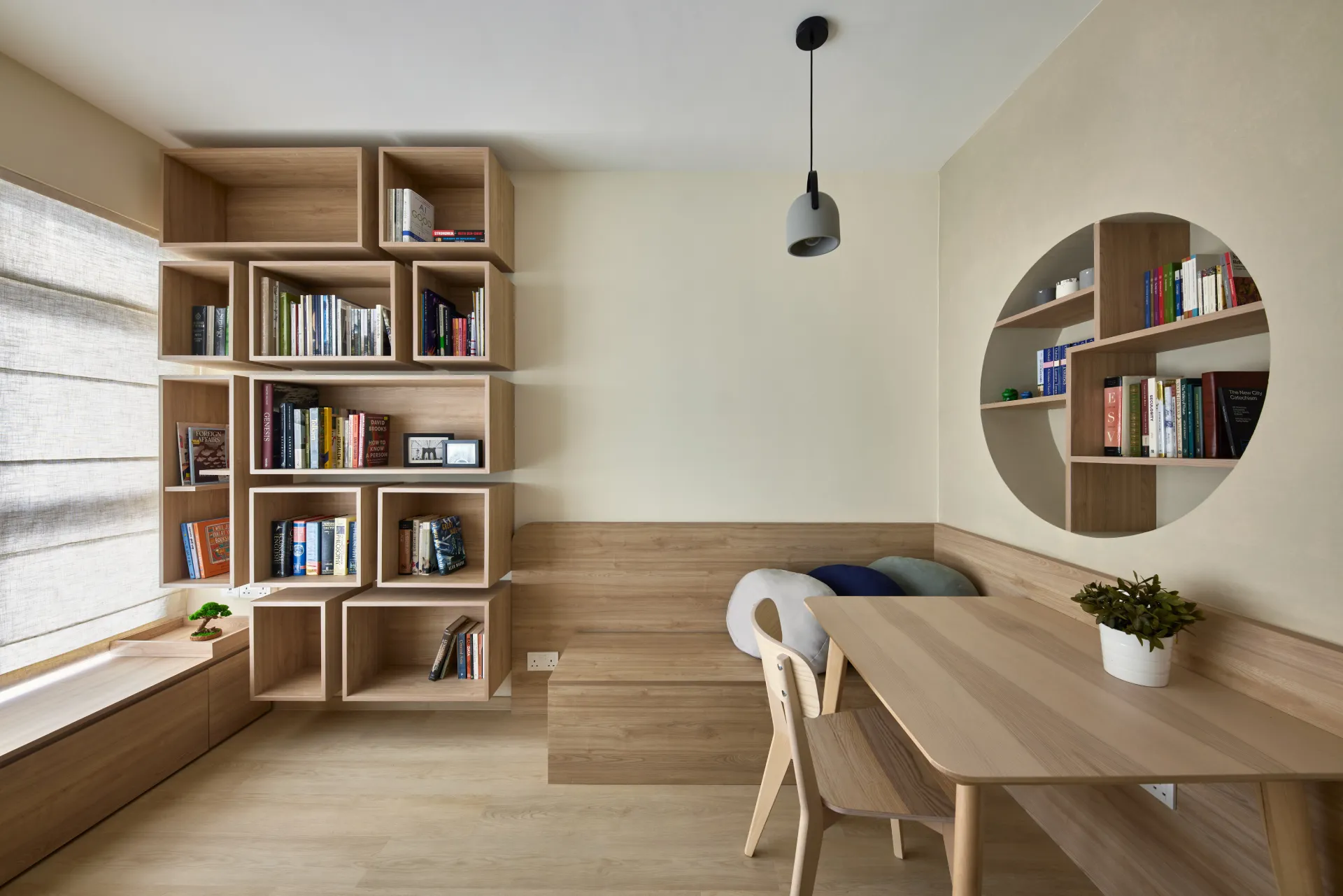
A wabi sabi living room focuses on creating a space that feels relaxed and quietly inviting. Natural materials such as wood, stone, and clay form the base, bringing warmth without overwhelming the room. Furniture is kept simple and slightly imperfect, with handcrafted pieces or items that show subtle signs of wear adding depth and character.
Rather than filling the space, it helps to leave areas intentionally open, allowing textures and materials to stand out. A weathered coffee table, a linen sofa, or a woven rug can anchor the room without dominating it. The overall effect is a space that feels lived-in and comfortable, where each element contributes to a calm and grounded atmosphere.
Kitchen
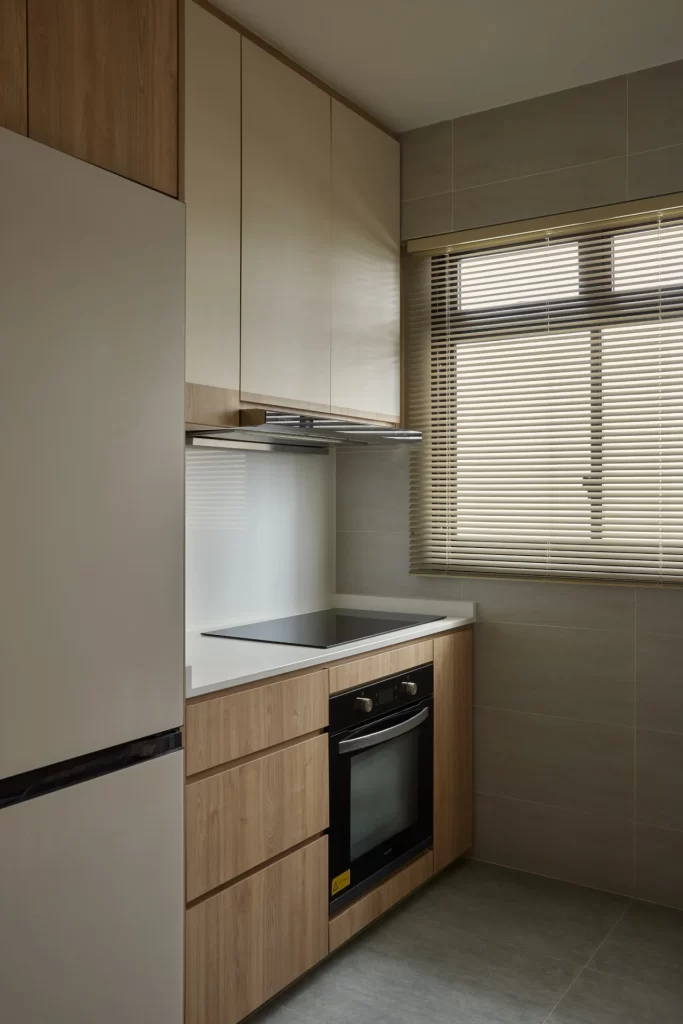
In the kitchen, wabi sabi design balances practicality with understated beauty. Surfaces are kept clear to support daily use, while materials such as wood and stone introduce a natural, tactile quality. Handcrafted ceramics and utensils can be left visible, turning everyday items into part of the design rather than hiding them away.
Open shelving, when used sparingly, helps maintain a sense of lightness while displaying selected pieces. The focus remains on function, with layouts designed for ease of movement and accessibility. This approach creates a kitchen that feels simple yet considered, where daily routines are supported without visual clutter.
Bedroom
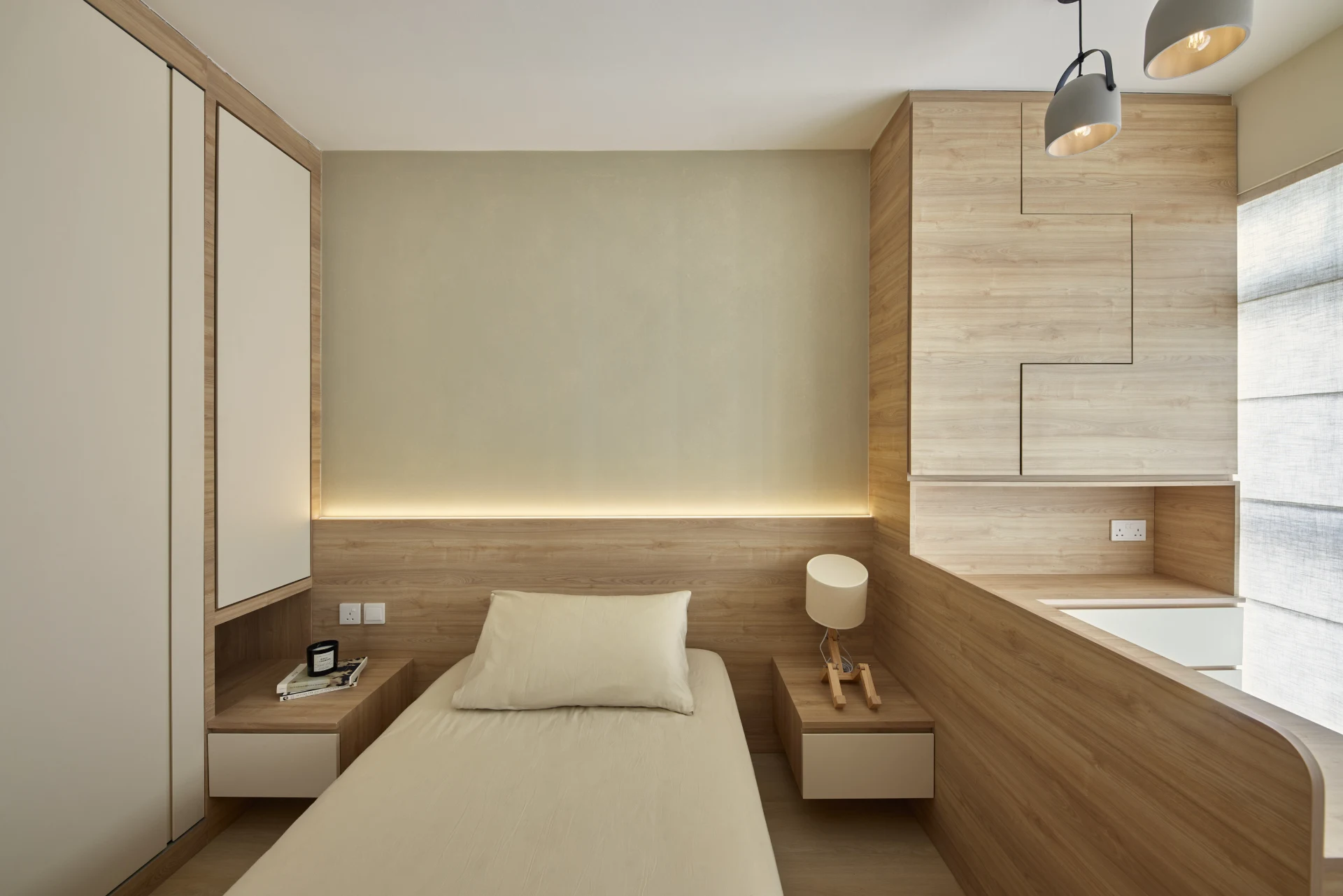
The bedroom is shaped around rest and quiet comfort, making it well suited to wabi sabi principles. Soft, natural materials such as linen and cotton create a gentle, breathable environment, while a muted palette of earthy tones helps reduce visual stimulation. Furniture is kept minimal, with simple wooden pieces that feel grounded and unobtrusive.
Decor is used sparingly, often limited to a few meaningful items that add texture without distraction. Layered bedding, subtle variations in fabric, and soft lighting contribute to a space that feels calm and settled. The result is a bedroom that encourages rest while still feeling warm and personal.
Bathroom
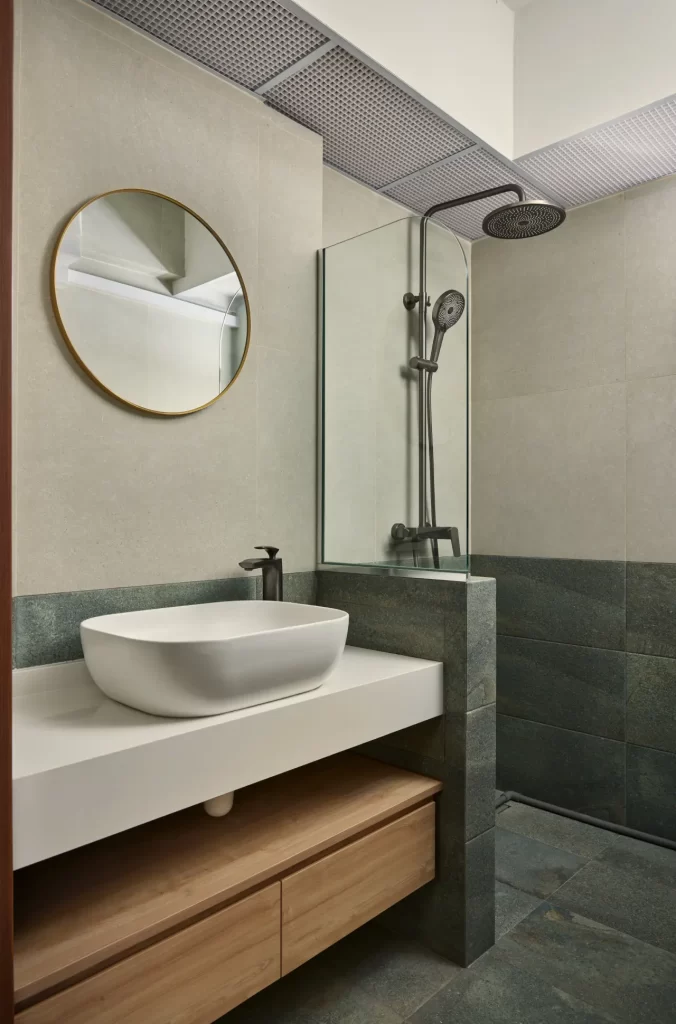
A wabi sabi bathroom leans into simplicity and natural textures to create a space that feels clean without being sterile. Materials such as stone, wood, and ceramic are used to introduce variation and depth, while organic shapes soften the overall look. Fixtures and fittings are kept straightforward, allowing the materials to take focus.
Clutter is minimised by keeping only essential items visible, with storage designed to maintain a tidy environment. Natural light, when available, enhances the textures and creates a softer atmosphere throughout the space. This results in a bathroom that feels calm, functional, and easy to maintain, while still carrying a sense of quiet character.
Common Mistakes to Avoid When Designing a Wabi Sabi Home
Making the Space Look Unfinished Instead of Intentional
Wabi sabi embraces imperfection, but that does not mean leaving a space incomplete. A home should still feel considered, with each element placed with purpose. Without this balance, the design can come across as neglected rather than thoughtfully curated.
Confusing Wabi Sabi with Plain Emptiness
Removing too many elements can strip the home of warmth and character. Wabi sabi is not about emptiness, but about keeping what matters. Spaces should feel calm and lived-in, not bare or lacking in personality.
Choosing Too Many Rough Textures Without Balance
While texture is important, overloading the space with rough or heavy finishes can make it feel overwhelming. A mix of textures, including softer materials, helps create a more balanced and comfortable environment.
Over-Styling with Trend-Driven Décor
Following trends too closely can conflict with the timeless nature of wabi sabi design. Excessive styling or decorative layering can distract from the simplicity and authenticity that define this approach.
Using Dark Earthy Tones Without Enough Light
Earthy colours are central to wabi sabi, but using too many dark tones without adequate lighting can make the space feel heavy. Natural or soft lighting is needed to balance these tones and maintain a sense of openness.
Copying Visual References Without Adapting to the Space
Design ideas from images or inspiration boards may not translate well into every home. Layout, lighting, and spatial constraints need to be considered to ensure the design works in a practical, liveable way rather than simply replicating a look.
Why Wabi Sabi Interior Design Works Well in Singapore Homes
Wabi sabi interior design aligns naturally with the way many homes in Singapore are planned and lived in. With compact layouts that commonly influence BTO interior design, this approach helps reduce visual excess by focusing only on what is necessary. By keeping spaces uncluttered and allowing for better flow, homes can feel more open and comfortable without needing to expand physically.
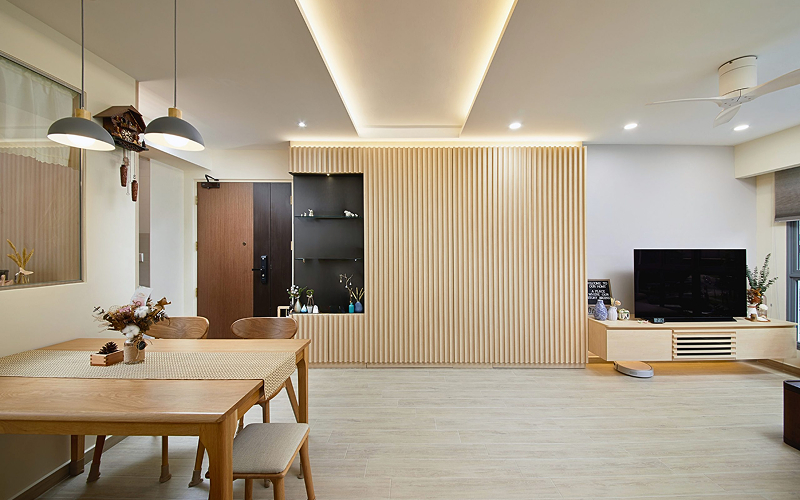
In a dense urban environment, creating a calm and restful home becomes increasingly important. Wabi sabi supports this by using soft, muted palettes and natural textures that reduce visual noise. Instead of relying on bold statements or heavy decoration, it introduces warmth through subtle materials and thoughtful detailing, helping the space feel more grounded and less overwhelming. The Tengah Garden Walk project by Home Guide Design demonstrates how clean spatial planning and understated materials can support a more comfortable and visually balanced home within a modern HDB setting.
This style also pairs well with contemporary renovation planning. Whether it is applied in a new build or a condominium interior design in Singapore, wabi sabi can be adapted to modern layouts without feeling out of place. Its emphasis on simplicity, natural elements, and functional living allows homeowners to create a space that feels both practical and quietly refined over time.
Frequently Asked Questions
What is wabi sabi interior design in simple terms?
Wabi sabi interior design is a style that embraces imperfection, natural materials, and simplicity. It focuses on creating spaces that feel calm and lived-in rather than polished or overly styled. This approach values authenticity, where ageing, texture, and subtle flaws are seen as part of the design.
Is wabi sabi suitable for small Singapore homes?
Yes, wabi sabi works well in smaller homes because it reduces visual clutter and focuses on essential elements. By using muted tones, natural textures, and simple layouts, spaces can feel more open and less overwhelming. This makes it a practical choice for home interior design in compact living environments.
How is wabi sabi different from minimalist or modern design?
Wabi sabi differs by embracing imperfection and natural ageing, while minimalist and modern styles tend to focus on clean lines and controlled finishes. It allows for more irregular forms and textured materials, creating a softer and more organic look. This makes it feel less structured and more relaxed compared to other clean design styles.
How much does a wabi sabi home renovation typically cost?
The cost depends on factors such as materials, carpentry work, and the overall scope of renovation. Wabi sabi can be cost-efficient when it focuses on natural finishes and avoids excessive built-ins or decorative elements. For a home renovation in Singapore, budgeting should also account for labour, site conditions, and any structural adjustments.
Is wabi sabi interior design difficult to maintain?
Wabi sabi interiors are generally easy to maintain because they embrace natural wear and do not require constant upkeep to look perfect. Materials are chosen for durability and how they age over time. Regular cleaning is still needed, but minor imperfections do not detract from the overall look.
Do I need a professional designer to achieve a wabi sabi home?
While it is possible to apply basic principles on your own, working with an experienced interior design company in Singapore can help ensure the design is well-balanced and suited to your layout. Professionals can guide material selection, space planning, and lighting to avoid common mistakes. This is especially useful when adapting the style to modern Singapore homes.