Key Takeaways for Minimalist Interior Design
- A neutral colour palette helps create a cleaner, more spacious look while still allowing for subtle variation through muted tones and textures
- Thoughtful lighting, especially natural light, plays a central role in shaping depth, highlighting space, and softening the overall atmosphere
- Creating space while layering texture ensures the home feels functional and uncluttered without losing warmth or visual interest
Introduction
Minimalist home interior design is often seen as a visual style, but in practice, it is a way of shaping space with intention. In Singapore, where homes range from compact HDB flats to larger private residences, this approach becomes especially relevant. It focuses on removing excess so that each element has a clear purpose, allowing layouts to feel open, organised, and easy to live in.
Rather than creating a space that feels bare, minimalist design balances simplicity with comfort. Clean lines, thoughtful storage, and controlled use of materials help maintain visual clarity while still supporting daily routines. When applied well, it brings together modern aesthetics and practical living, making the home feel calm, functional, and quietly refined.
The following tips break down how these principles can be applied in a practical way, helping you shape a minimalist home that works for your space and lifestyle.
What Defines Minimalist and Modern Interior Design
Minimalist and modern interior design often overlap, but each brings its own focus to how a space is shaped and experienced. Minimalist design centres on simplicity, where every element has a purpose and unnecessary details are removed. The result is a space that feels open, calm, and visually uncluttered, with careful attention given to layout, storage, and proportion.
Modern design, on the other hand, introduces structure and character through clean lines, refined materials, and a balanced use of colour and texture. It leans into a more contemporary aesthetic while still maintaining a sense of order and restraint. When combined, these two approaches create interiors that are not only visually streamlined, but also practical for everyday living, especially in Singapore homes where space efficiency plays an important role.
This combination allows homeowners to enjoy a space that feels both intentional and comfortable, where design choices support how the home is used rather than simply how it looks.
Minimalist vs Modern Interior Design: What Sets Them Apart
While minimalist and modern interior design are often mentioned together, they differ in how they approach space, aesthetics, and everyday living. Minimalism focuses on stripping back to essentials, while modern design introduces structure and visual interest through materials and form. Understanding these differences helps homeowners decide which approach better suits their lifestyle, or how to blend both effectively.
Main Focus
Minimalist design is centred on reducing excess and keeping only what is necessary. Every element serves a clear purpose, with emphasis placed on function and spatial clarity.
Modern design, in contrast, focuses on form and composition. It highlights architectural features, materials, and design details while still maintaining a clean and organised look.
Visual Look
A minimalist space tends to feel airy, quiet, and restrained. Surfaces are kept clean, and decorative elements are limited to avoid visual clutter.
Modern interiors feel more structured and defined. Clean lines are still present, but there is often more layering through finishes, feature walls, or statement pieces that add depth to the overall look.
Colour Palette
Minimalist interiors rely heavily on neutral tones such as white, beige, soft greys, and muted hues. These colours help create a sense of openness and calm.
Modern design also uses neutrals as a base but allows for stronger contrasts. Darker tones, bold accents, or mixed materials may be introduced to create visual interest without overwhelming the space.
Furniture
Furniture in minimalist interiors is kept to a minimum, with simple forms and clean silhouettes. Pieces are often multi-functional and chosen for practicality as much as aesthetics.
Modern interiors feature more defined furniture pieces with sharper lines and varied materials. While still streamlined, furniture may act as a focal point within the space rather than blending into the background.
Best For
Minimalist design works well for homeowners who prefer a clutter-free environment and a calm, low-maintenance space. It suits smaller homes where maximising openness is a priority.
Modern design is ideal for those who want a clean yet expressive interior. It offers more flexibility for incorporating textures, finishes, and statement elements while maintaining a cohesive overall look.
Key Design Principles Behind Minimalist and Modern Interiors
Neutral Colour Palette with Warmer Undertones
A restrained colour palette forms the foundation of both minimalist and modern interiors, but it does not have to feel stark or clinical. Warmer undertones such as soft taupe, muted greys, and creamy whites help create a more inviting atmosphere while maintaining visual simplicity. These tones allow light to move more naturally through the space, making rooms feel brighter and more open without relying on strong contrasts.
Natural and Honest Materials
Materials play a quiet but important role in shaping the overall look and feel of a space. Wood, stone-look finishes, glass, and metal are commonly used for their durability and understated appeal. Rather than hiding these materials, the focus is on letting their natural textures and finishes come through, adding depth without overwhelming the design.
Clean-Lined Furniture
Furniture choices lean towards simple silhouettes with well-defined edges. Clean-lined pieces help maintain visual order and prevent the space from feeling crowded. In both minimalist and modern interiors, furniture is selected not just for its appearance, but also for how well it fits within the layout and supports daily use.
Concealed Storage
Storage is carefully integrated to keep clutter out of sight. Built-in cabinetry, hidden compartments, and seamless wardrobes allow homeowners to maintain a tidy environment without sacrificing accessibility. This approach ensures that everyday items are within reach while preserving the clean look of the space.
Layered Lighting
Lighting is used strategically to shape mood and highlight different areas within the home. A combination of natural light, ambient lighting, and task lighting helps create balance throughout the day. Instead of relying on a single source, layered lighting allows spaces to feel softer, more dimensional, and adaptable to different activities.
Negative Space and Better Sightlines
Leaving intentional gaps between furniture and design elements is just as important as what is placed within the room. Negative space helps prevent visual clutter and allows each feature to stand out more clearly. Improved sightlines also make smaller homes feel more spacious, which is particularly valuable in compact layouts.
Texture to Avoid a Flat or Cold Look
While simplicity is key, texture ensures that the space does not feel flat. Soft furnishings, subtle grain patterns, and contrasting finishes introduce variation without disrupting the overall harmony. This balance keeps the interior visually interesting while still aligned with the principles of minimalist and modern design.
Applying Minimalist and Modern Design Across Different Spaces
Minimalist and modern interior design principles can be adapted to suit different areas of the home, each with its own functional needs and spatial considerations. Rather than applying a one-size-fits-all approach, the goal is to interpret these principles in ways that support how each room is used. From communal spaces to more private areas, thoughtful planning ensures that simplicity, functionality, and visual clarity remain consistent throughout the home.
Living Room Design That Feels Open Yet Grounded
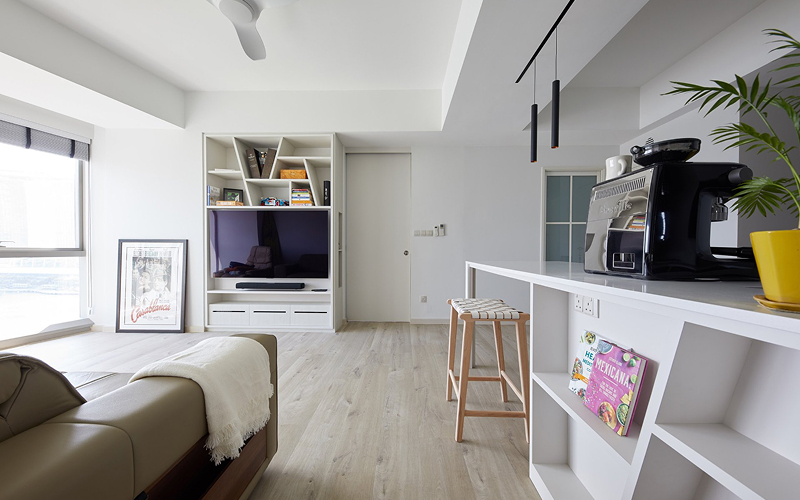
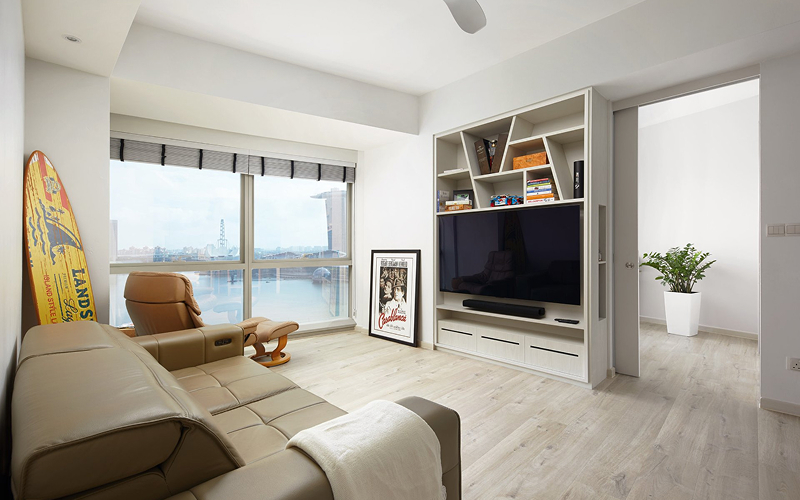
The living room often sets the tone for the rest of this Bukit Gombak home, making it a natural starting point for minimalist and modern design. A low-profile sofa helps maintain clear sightlines and keeps the space feeling open, especially in smaller layouts. Concealed TV storage reduces visual clutter, allowing cabinetry to blend seamlessly into the background rather than becoming a focal distraction.
To anchor the space, it helps to focus on one feature wall instead of introducing multiple competing elements. A slim coffee table keeps the centre area light and unobtrusive, while still offering functionality. Accessories are kept to a minimum, ensuring that the space feels intentional rather than overcrowded, with each item contributing to the overall look.
Kitchen Design That Prioritises Function and Flow
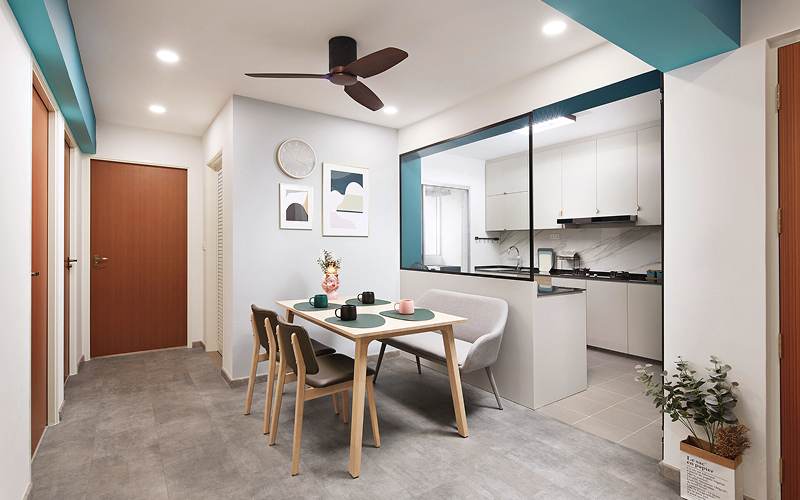
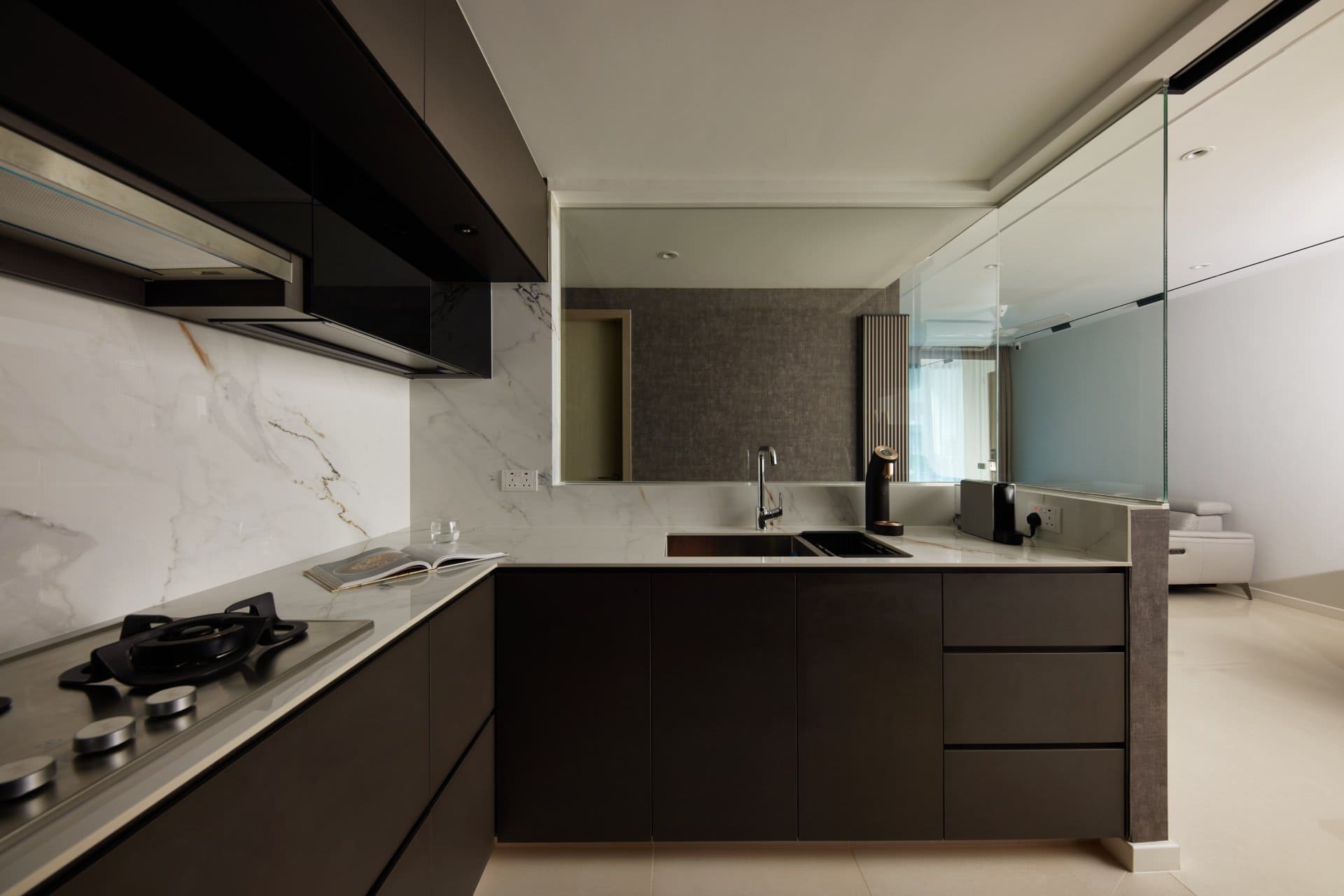
In the kitchen, minimalist and modern design comes through in both layout and detailing. Handleless cabinets create a seamless, uninterrupted surface, reinforcing a clean and streamlined appearance. Integrated appliances further enhance this effect by blending into the cabinetry, keeping the overall look cohesive.
Clutter-free countertops are essential, allowing the space to remain functional without feeling busy. Storage is designed to accommodate daily essentials while keeping them out of sight. Lighter finishes, such as pale laminates or stone surfaces, help reflect light and make the kitchen feel brighter and more spacious, which is especially useful in enclosed layouts.
Bedroom Design That Balances Simplicity and Comfort
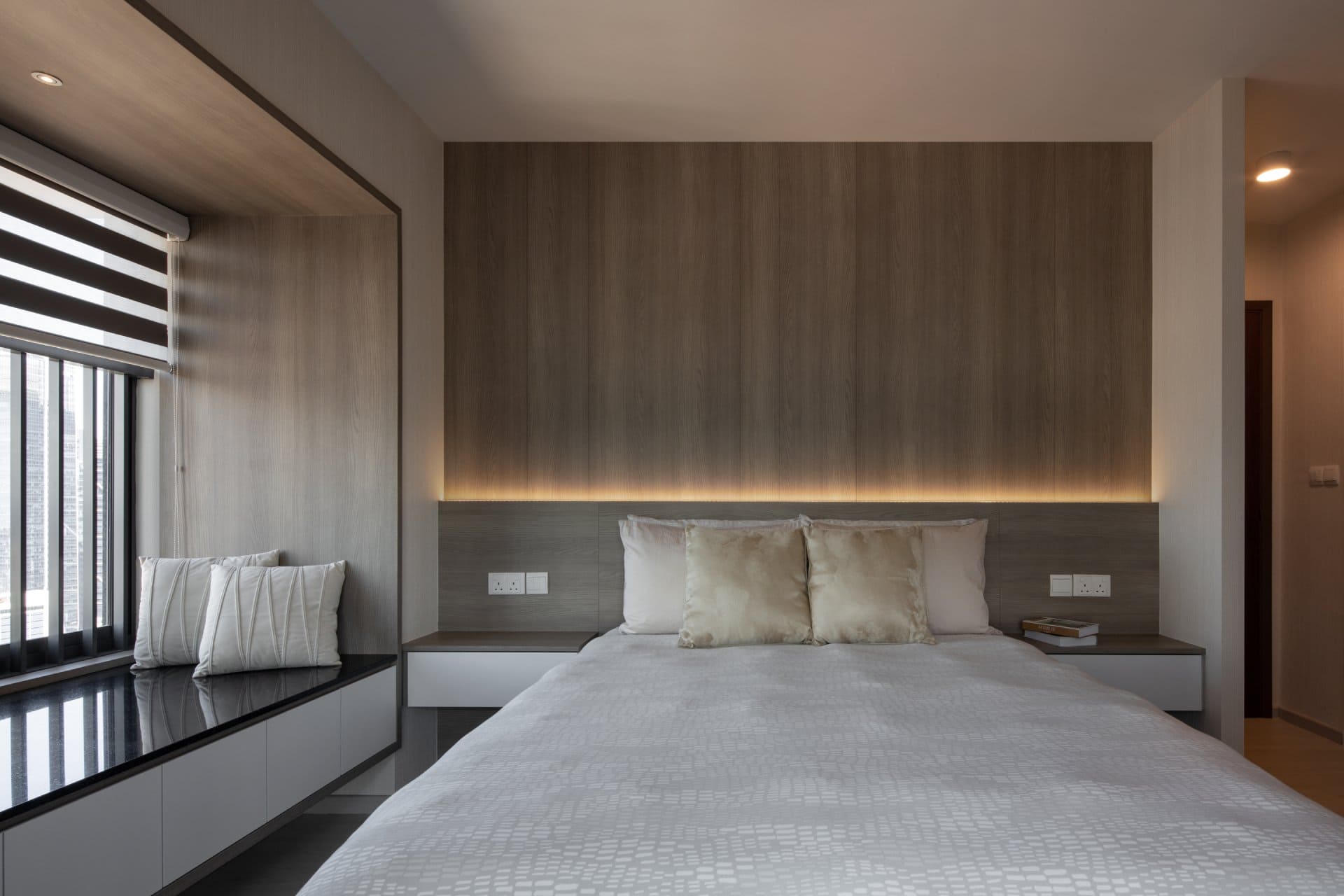
A minimalist and modern bedroom focuses on creating a calm and restful environment. Soft neutral tones form the base, helping to establish a sense of quiet without making the room feel cold. Built-in wardrobes provide efficient storage while maintaining a clean, uninterrupted wall surface.
Bedside styling is kept minimal, often limited to essential items to avoid visual clutter. Layered warm lighting, including bedside lamps and ambient lighting, helps soften the space and create a more comfortable atmosphere. This combination ensures that the bedroom remains both functional and relaxing.
Bathroom Design That Feels Clean and Uncluttered
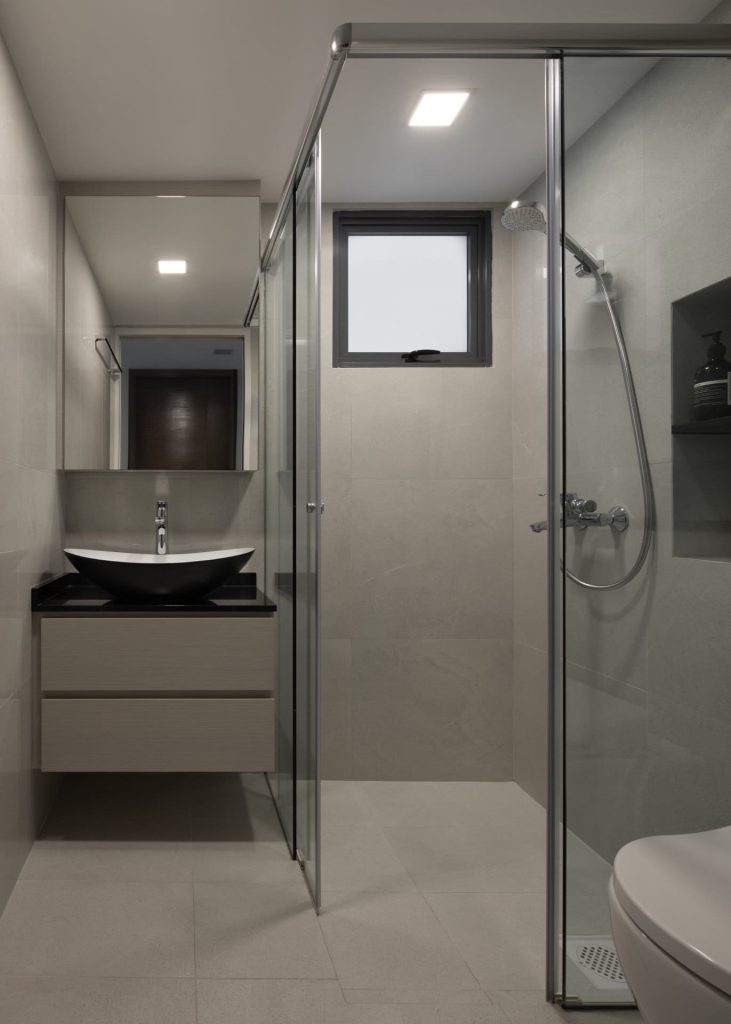
Bathrooms benefit greatly from a minimalist approach, where simplicity enhances both hygiene and usability. A simple vanity design keeps the layout straightforward, while wall-hung elements such as basins or cabinets create a sense of openness by freeing up floor space. This design approach is often seen in modern condominium units such as Flamingo Valley, where efficient use of space is an important consideration.
Reducing the number of exposed toiletries helps maintain a tidy appearance, with storage designed to keep daily items organised and out of sight. Clean tile palettes, often using consistent tones or subtle textures, reinforce a cohesive look while making the space easier to maintain over time. Lighter finishes can also help smaller bathrooms feel more spacious and comfortable.
Why Minimalist and Modern Design Works Well in Singapore Homes
Minimalist and modern interior design aligns naturally with the way homes in Singapore are planned and lived in. With many layouts designed around efficiency, this style helps make smaller homes feel more open by reducing visual clutter and allowing space to flow more freely. Clean lines and intentional layouts also complement open-plan living and dining areas, creating a sense of continuity rather than separation.
In compact spaces, clutter can quickly make a home feel cramped. A minimalist approach addresses this by prioritising only what is necessary, supported by smart storage solutions that keep everyday items out of sight. This not only improves how the space looks, but also how it functions on a daily basis, making movement and organisation easier.
The practicality of this style also makes it well-suited for projects such as BTO renovation, where homeowners are often working with new layouts that benefit from efficient space planning. By incorporating built-in storage, clean finishes, and adaptable design elements, the home remains easy to maintain over time without constant adjustments.
For older units, including HDB resale renovation, minimalist and modern design can help refresh dated interiors while improving functionality. Streamlined layouts, updated materials, and better lighting solutions can transform older spaces into something more aligned with current living needs, without overwhelming the home with unnecessary features. These same principles can also be seen in developments such as Pinnacle Duxton, where thoughtful layouts and efficient use of space contribute to a clean, uncluttered living environment.
Common Mistakes to Avoid in Minimalist and Modern Interior Design
Making the Space Feel Too Bare
In an effort to simplify, some homes end up feeling empty rather than intentional. Removing too many elements can strip the space of warmth and comfort. A well-designed minimalist home still includes selected furnishings, textures, and soft elements that make the space feel lived-in rather than unfinished.
Relying on One Flat Colour Throughout
Using a single tone across all surfaces may seem aligned with minimalism, but it can make the space feel flat and lacking in depth. Subtle variations in shade, along with the introduction of different materials, help create visual interest while keeping the overall palette cohesive.
Overlooking Storage Planning
Minimalist interiors depend heavily on good storage. Without proper planning, everyday items end up exposed, which quickly creates clutter. Built-in cabinetry and concealed storage solutions are essential to maintaining a clean and organised look over time.
Ignoring Lighting Layers
Relying on a single overhead light can make the space feel harsh and one-dimensional. Layered lighting, including natural light, ambient fixtures, and task lighting, helps create a more balanced and comfortable environment while highlighting different areas of the home.
Choosing Style Over Function
Selecting furniture or layouts based purely on appearance can disrupt how the space is used. Minimalist and modern design should support daily routines, so every element needs to be practical as well as visually aligned with the overall concept.
Over-Decorating with Statement Pieces
Adding too many feature items, such as bold artworks or decorative accents, can compete for attention and break the sense of calm. It is more effective to limit statement pieces and allow each one to stand out within a controlled and uncluttered setting.
Treasure at Tampines
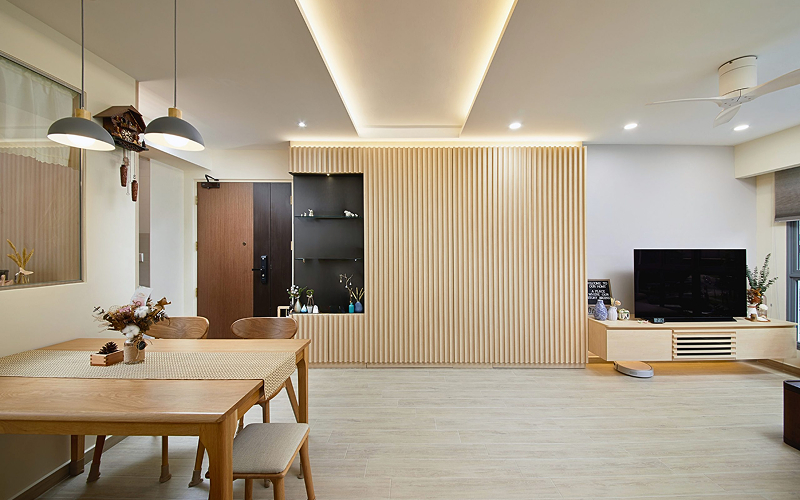
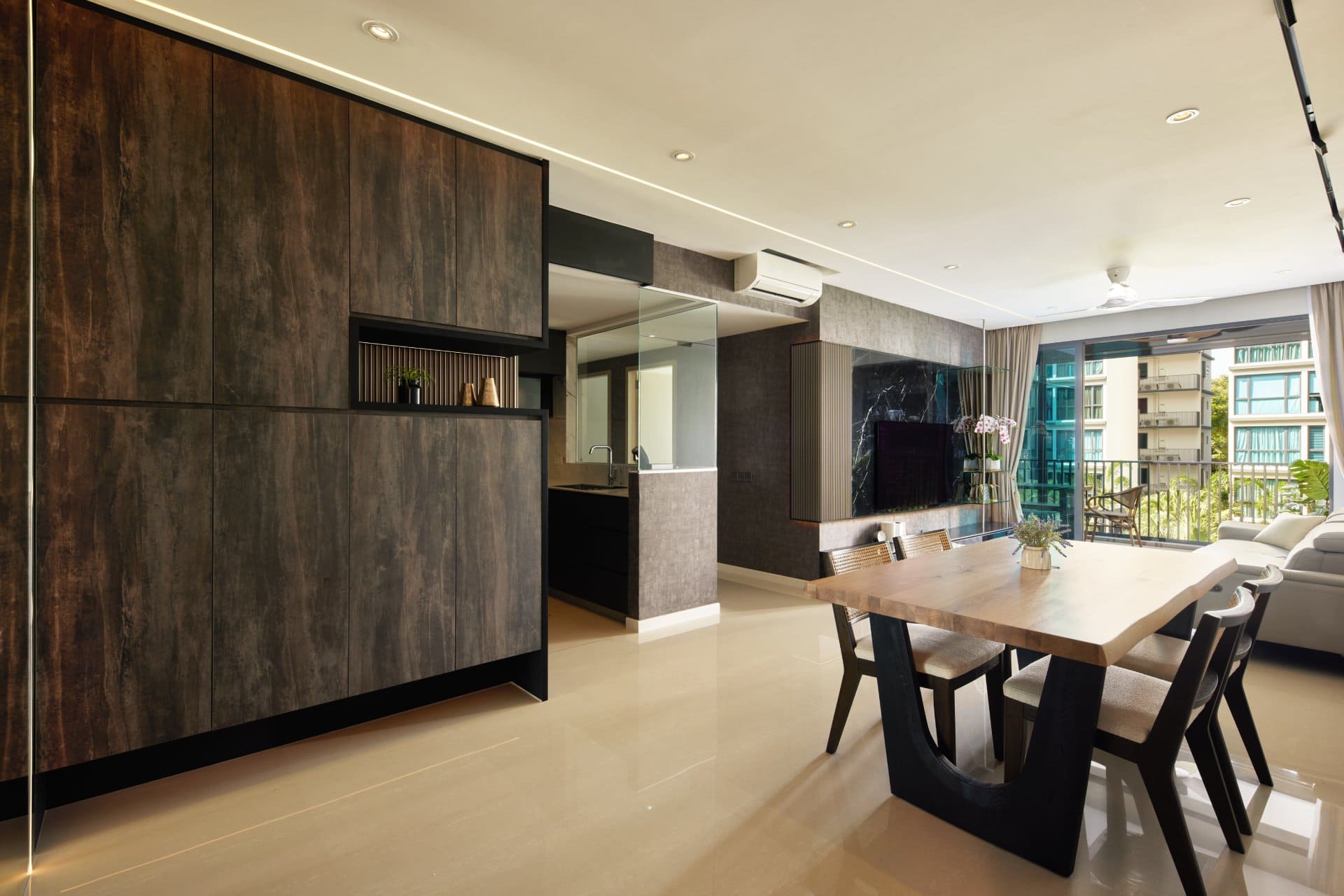
Modern condominium home interior design at Treasure at Tampines demonstrates how warm finishes, practical layouts, and contemporary styling can work together to create a space that feels streamlined without appearing sterile
Is Minimalist and Modern Interior Design Right for Your Home?
Choosing a design style is not just about how a space looks, but how it supports the way you live. Minimalist and modern interiors offer a structured, clutter-free environment that works well for those who value clarity, organisation, and ease of maintenance. The emphasis on clean lines, practical storage, and intentional layouts can make everyday routines feel more manageable, especially in homes where space needs to be used efficiently.
That said, this style may not suit every household. Homes that rely heavily on personal collections, layered décor, or frequent layout changes may find strict minimalism limiting. The key lies in understanding how much simplicity works for your lifestyle, rather than applying the approach too rigidly.
With the right balance, minimalist and modern design can be shaped to suit different homes, from compact flats to larger layouts. If you are considering a change, taking the time to plan your layout, storage, and material choices early on can make a noticeable difference in how your space comes together.
Frequently Asked Questions
What is the difference between minimalist and modern interior design?
Minimalist interior design focuses on reducing elements to only what is necessary, creating a clean and uncluttered space. Modern interior design builds on this with added structure, using defined lines, materials, and subtle contrasts to create visual interest. While they overlap, minimalism is more restrained, while modern design allows for slightly more expression.
Is minimalist interior design suitable for small homes?
Yes, minimalist design works especially well in smaller homes as it helps maximise space and reduce visual clutter. By keeping layouts simple and prioritising essential furniture, the home feels more open and easier to navigate. This approach is often applied in home interior design to improve both functionality and comfort in compact layouts.
How much does minimalist or modern home renovation typically cost?
The cost varies depending on the size of the home, materials selected, and the extent of renovation work required. Minimalist and modern styles can be cost-efficient if they focus on essential upgrades rather than excessive detailing. For a home renovation in Singapore, budgeting should account for carpentry, finishes, and labour, along with any structural changes.
How long does it take to complete a minimalist or modern renovation?
Renovation timelines typically range from a few weeks to a few months, depending on the scope of work and project complexity. Simpler designs may require less time due to fewer custom elements, but proper planning and coordination are still essential. Working with an experienced interior design company in Singapore can help streamline the process and manage timelines more effectively.
Is minimalist design difficult to maintain?
Minimalist interiors are generally easier to maintain because there are fewer items to clean and organise. Surfaces are kept clear, and storage is designed to keep belongings out of sight. Regular upkeep is still needed, but the overall effort is usually lower compared to more heavily styled interiors.
Can I combine minimalist and modern styles in one home?
Yes, combining both styles is common and often results in a balanced and practical interior. Minimalist principles can guide the layout and organisation, while modern elements add character through materials and finishes. This approach allows homeowners to enjoy a clean space without it feeling too plain or restrictive.